
What is Carried Interest?
The share of a fund's profits, commonly about 20 percent, that goes to the fund's managers after investors get their money back. Often called carry, it pays the managers only when the fund makes money for its investors.
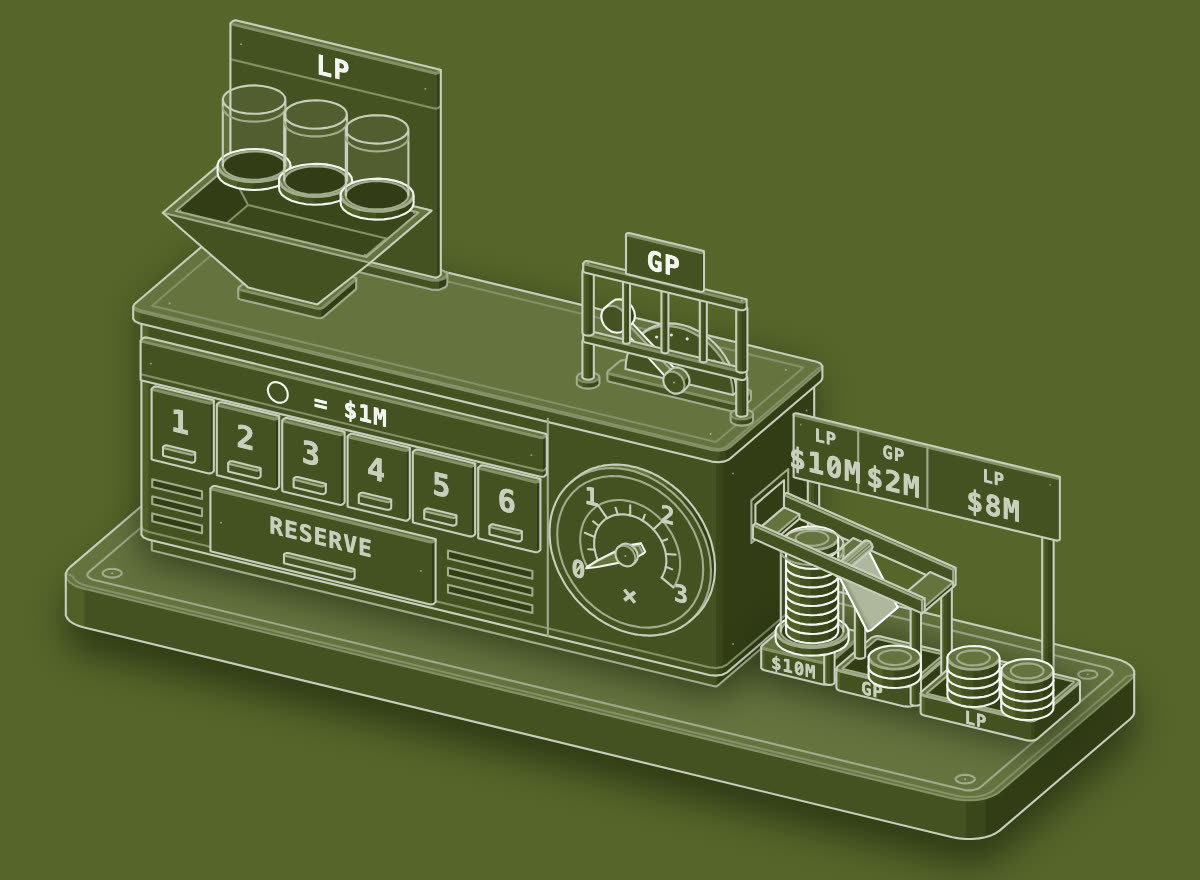
$10M back first · 20% of $10M profit = $2M
Carried interest is…
Write it in your own words in the app.
In real work
Because carried interest was 20 percent, the managers kept $10 million of the fund's $50 million profit, and the limited partners received the rest.
In the illustration
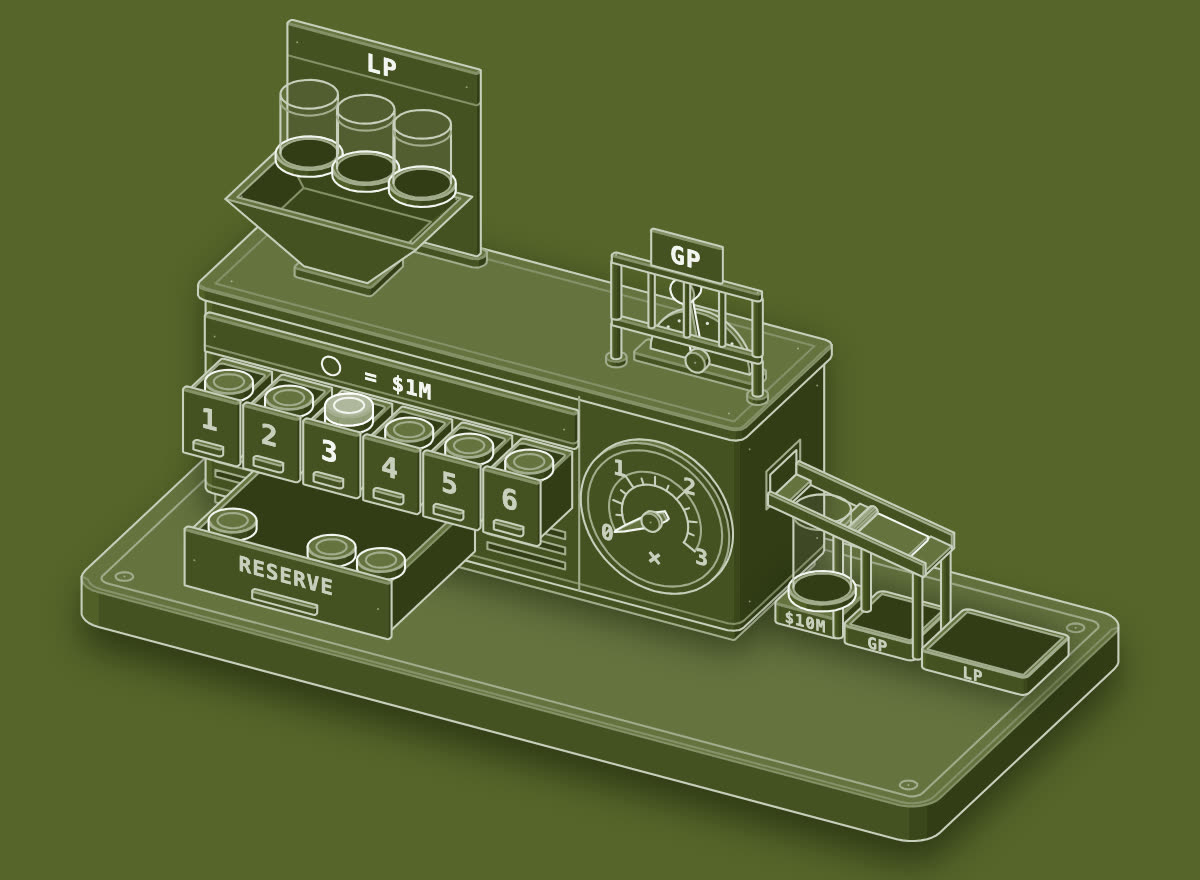
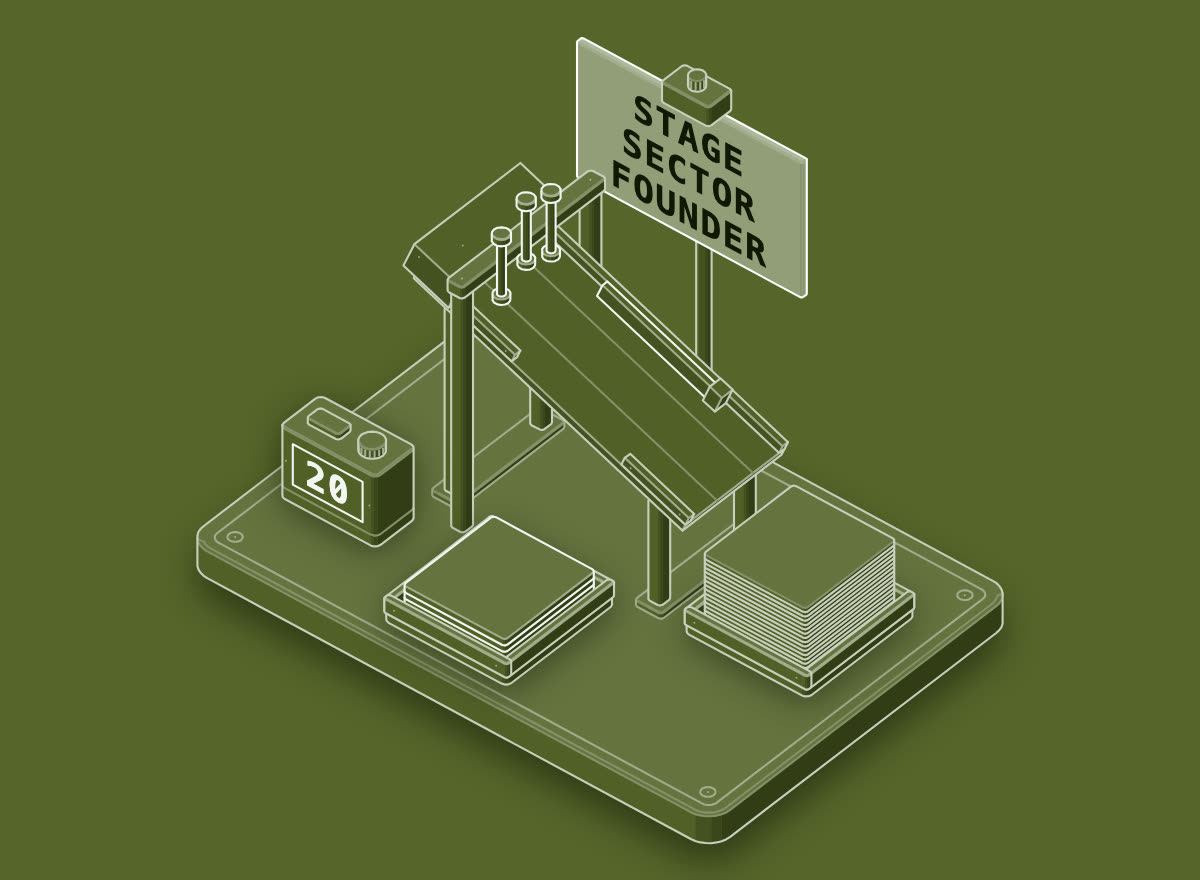
$20M of returns comes down the chute as $1M coins. The first ten refill the LP paid-in column to its $10M line; only then does the carry gate open, and one profit coin in five drops to the GP tray: $2M, with $8M to the LPs.
Calculate carried interest in your deal notebook for a $50 million fund that grows to $150 million, with 20 percent carry and a 2 percent yearly fee for ten years. Show the arithmetic and say which fund terms you assumed.
Try it now
The fastest way to learn a word is to use it. Open this line in the agent you already work in and watch what it does. Change the tool to the one you use.
Go further
01Practice
Make it stick
One term a day, a short quiz, and sentence practice that checks your own words.
02Verify
Prove you know it
Pass the quiz and keep it in a Skills Wallet you can share with anyone who needs proof.
03Career
Find the work that uses it
See which roles lean on this vocabulary, and what they pay in year one.
Learn the next term tomorrow.
Google gives a definition. Prompthaus pairs each term with how it shows up in standups, PRs, prompts, and design reviews. Then it quizzes you until the word sticks. One term a day on iPhone.
